
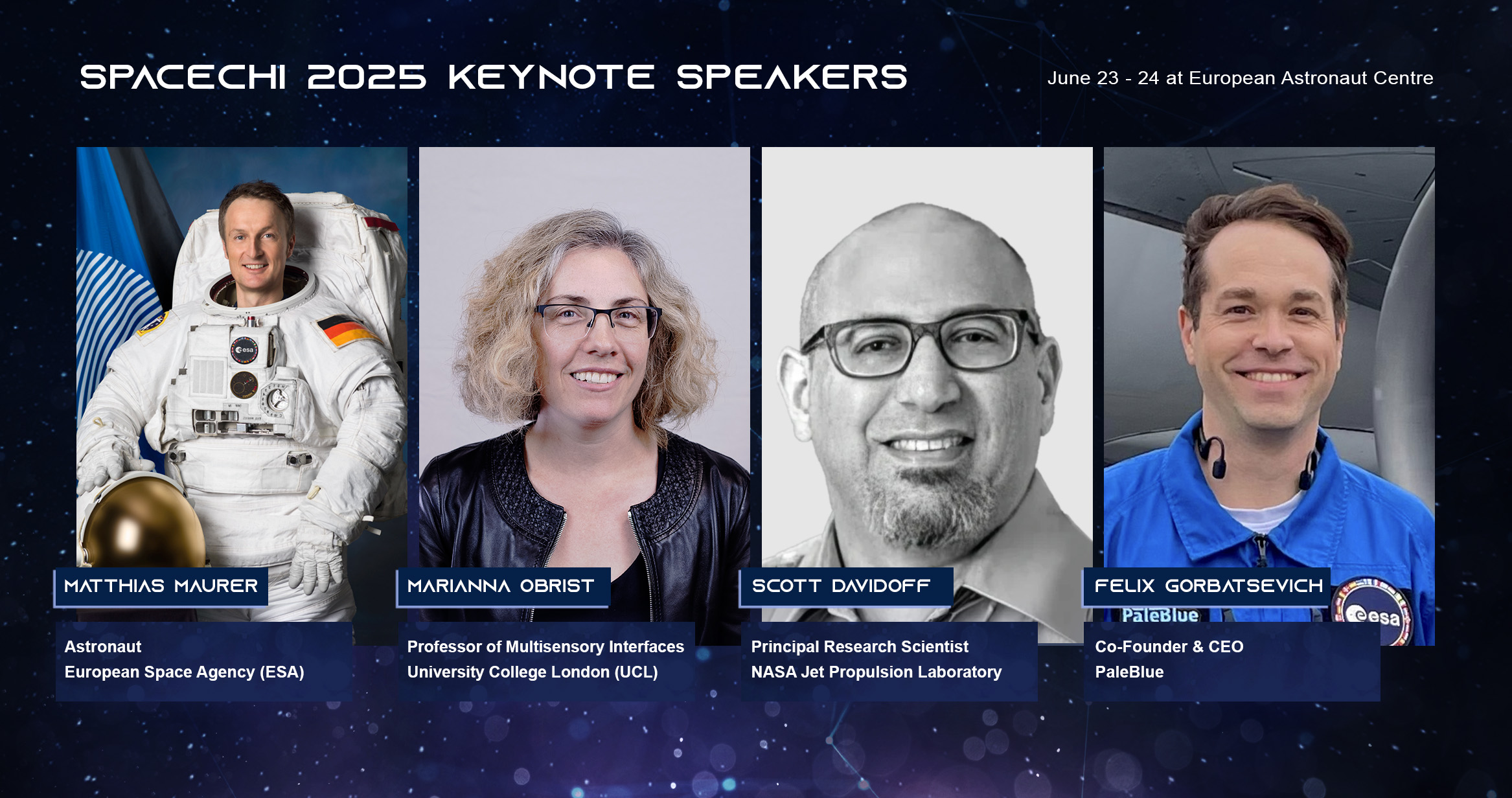
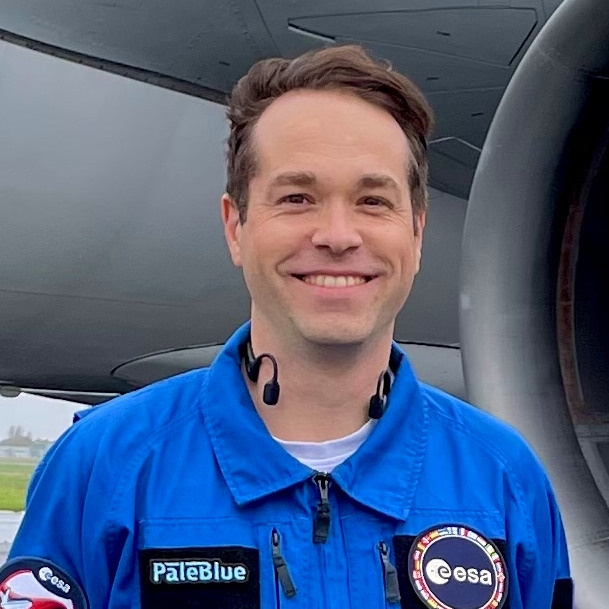
XR for Astronaut Training and Spacecraft Design, by Felix Gorbatsevich
This talk will cover the topics of applying XR technologies to advanced professional training and engineering, preparing astronauts as well as designing spacecraft around human factors. Getting input from ESA astronauts, PaleBlue has created a training simulator, modeling the effects of Zero G locomotion in a XR setting, allowing simulator training for the astronauts’ work at the International Space Station. The same simulation platform is adapted for simulation of human factors in spacecraft engineering.
Bio: Felix Gorbatsevich is CEO and the leading technical expert at PaleBlue - Industrial XR company based in Norway. He has been working at technology and software companies, in roles ranging from software engineer and systems architect to project manager and managing director. Now at PaleBlue, Felix leads the development of XR and 3D simulators for the real world - creating immersive solutions for a range of PaleBlue clients. Their interactive digital twin of the International Space Station is currently used by both ESA and NASA astronauts in preparation of their future missions. This makes Felix uniquely experienced - not only in XR technology for human spaceflight, but also the expanding role of the private sector in this field.
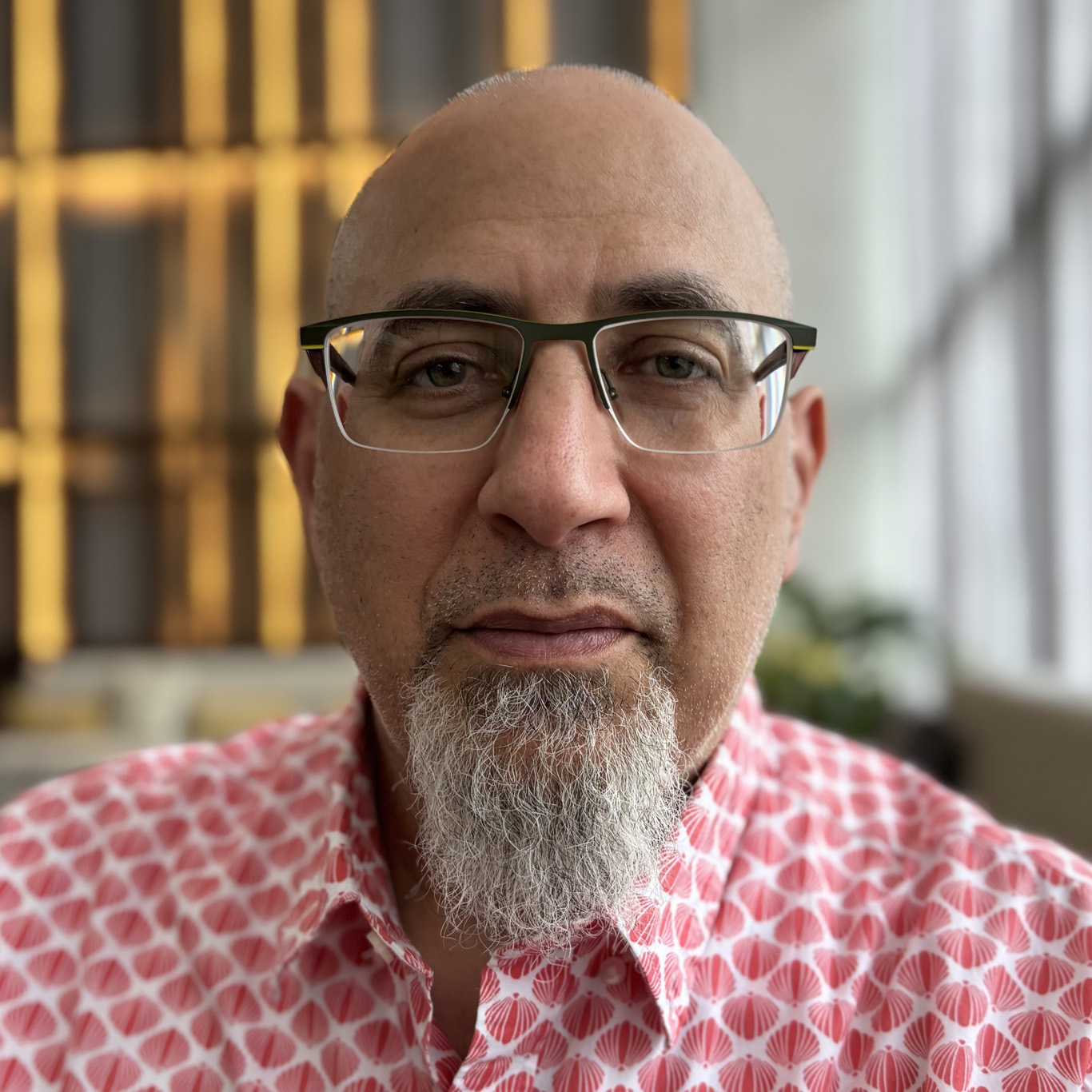
How Can Space Exploration Help Life on Earth?, by Scott Davidoff
Turning our attention toward our cosmic navels, the big questions in space exploration also include how to preserve and protect life on Earth. This talk will feature projects that use space data to improve life for Earthlings: (1) helping desert states conserve water; (2) high altitude balloons for real-time fire sensing; (3) citizen science to help poor communities collect sub-pixel pollution and heat data for self-advocacy; and (4) deep sea methane seep sampling prediction.
Bio: Scott Davidoff is a Research Scientist at the Space Science Institute. He uses the methods of Human-Computer Interaction, Data Visualization, Data Science and Human-Centered Design to investigate the big scientific research questions in Astrobiology, Planetary and Earth Science. He has introduced novel ways to interrogate data from XRF and reflectance spectra, to carbon cycle, ocean vent, and reconstructed 3D terrain. He also looks to optimize performance and trust in human teams that operate high autonomy single- and multi-robot systems. Previously, he was Principal Research Scientist at the NASA Jet Propulsion Laboratory. Davidoff has a PhD, MS and MHCI from Carnegie Mellon University, and a BA from Duke University.
The LUNA analogue facility, known as ESA-DLR LUNA, is a collaborative project between the European Space Agency ESA and the German Aerospace Centre DLR. It serves as a fully integrated training and testing ground, simulating lunar-like conditions right here on Earth. It enables researchers to practise manoeuvring in these environments and test new technologies for the success of future missions to the Moon and beyond. At the heart of the facility is a 700-square-metre regolith testbed, built from simulated lunar dust and rocks. A deep floor area allows for sampling and drilling up to three metres below the surface and adjustable lighting replicates the Moon’s day-night cycle, closely mimicking environments on the lunar surface.
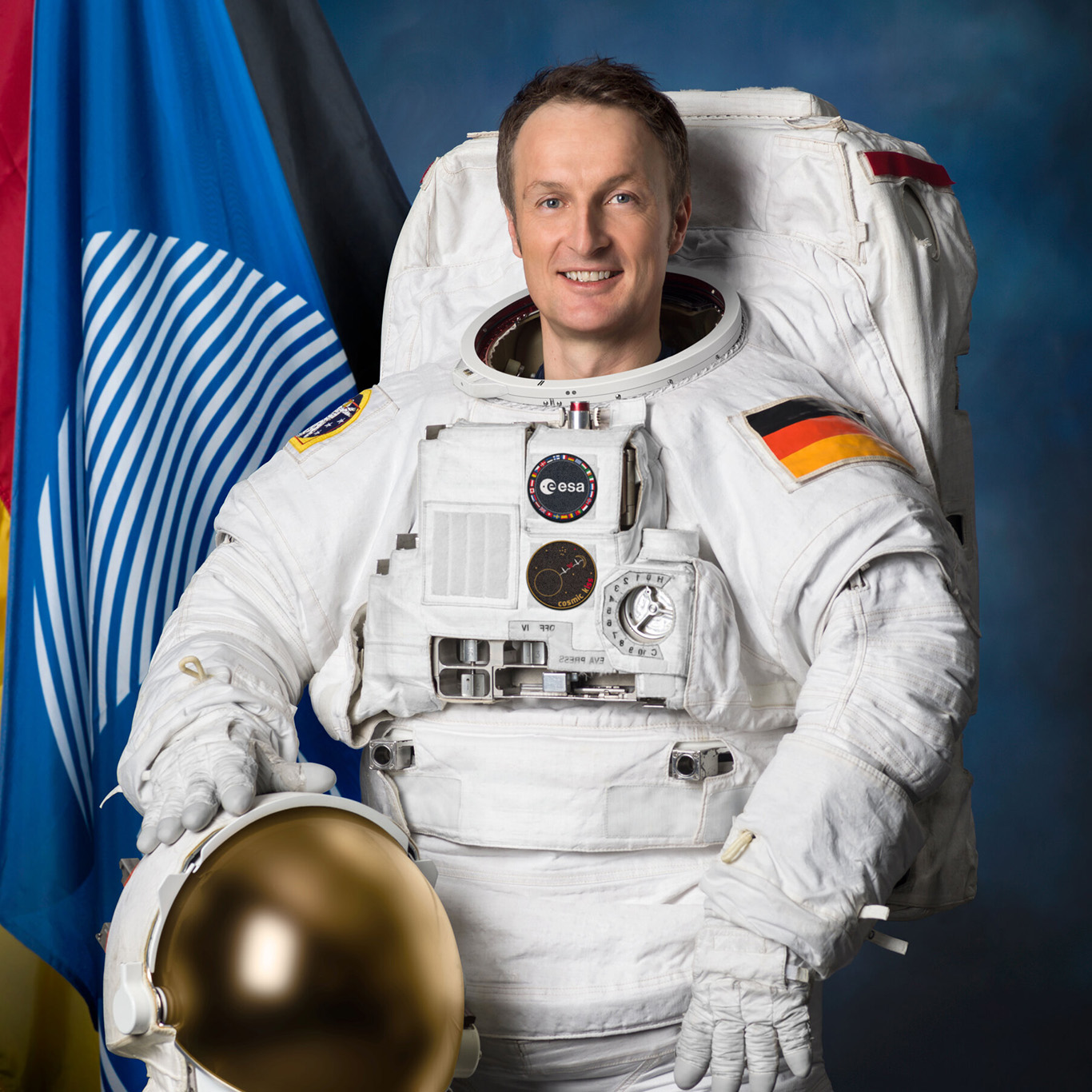
Bio: Matthias Maurer is a German astronaut and materials scientist. He earned his PhD in materials engineering from RWTH Aachen. He got selected into the ESA astronaut corps in 2015, Maurer underwent rigorous astronaut training and participated in analog missions such as ESA's CAVES, NASA's NEEMO, and survival training in China, preparing for long-duration spaceflight and lunar operations. In November 2021, he launched aboard the SpaceX Crew-3 mission to the International Space Station, commencing Expedition 66/67 under the mission name Cosmic Kiss. During his 177-day mission, Maurer conducted over 100 scientific experiments across disciplines like material science, biomedical research, AI, and Earth observation. He performed his first spacewalk (EVA) spanning nearly seven hours, contributing to maintenance and system upgrades - earning him both the NASA Distinguished Public Service Medal and the Space Exploration Medal.

As we venture into the cosmos, the multisensory experiences that shape our lives on Earth become critical for human health and well-being in space. This talk explores the profound impact of sensory stimulation—such as smell, touch, and taste—on emotional regulation, social interactions, and even early disease diagnosis. In stark contrast to the rich sensory environments we inhabit on Earth, space presents a sterile and often isolating atmosphere that can diminish these essential experiences. To illustrate the importance of a multisensory lens, the talk will reference the example of eating in space. By examining the implications of sensory deprivation and the need for sensory interfaces, the talk will underscore the necessity of integrating multisensory considerations into space exploration. This discussion aims to foster a deeper understanding of how enhancing sensory experiences can lead to healthier and more fulfilling lives for those who venture beyond our planet.
Bio: Marianna Obrist is a Professor of Multisensory Interfaces in the Department of Computer Science at University College London (UCL) and co-founder and Chief Scientific Officer (CSO) of Hynt Labs Limited, developing novel scent tech for improved sleep quality. Her research focuses on understanding touch, taste, and smell as interaction modalities for Human-Computer Interaction (HCI), with applications spanning immersive VR/AR experiences, automotive interfaces, and health and wellbeing use cases. Her most recent projects include an EPSRC/NIHR Smell Care project that validated the world’s first digital smell training solution in six-months deployment in selected households, a UKRI TCC - Textile Circularity Centre project focused on the design of immersive textile experiences for a circular fashion future, and an InnovateUK investor partnership project on enhanced sleep quality through a personalised digital scent solution by Hynt. She published over 100 articles, including high impact journals and conferences. Most recently she released the second edition of her co-authored book “Multisensory Experiences: Where the Senses Meet Technology”, published by Oxford University Press, featuring many of her works on multisensory experiences, including a section on the role of the senses in space exploration.